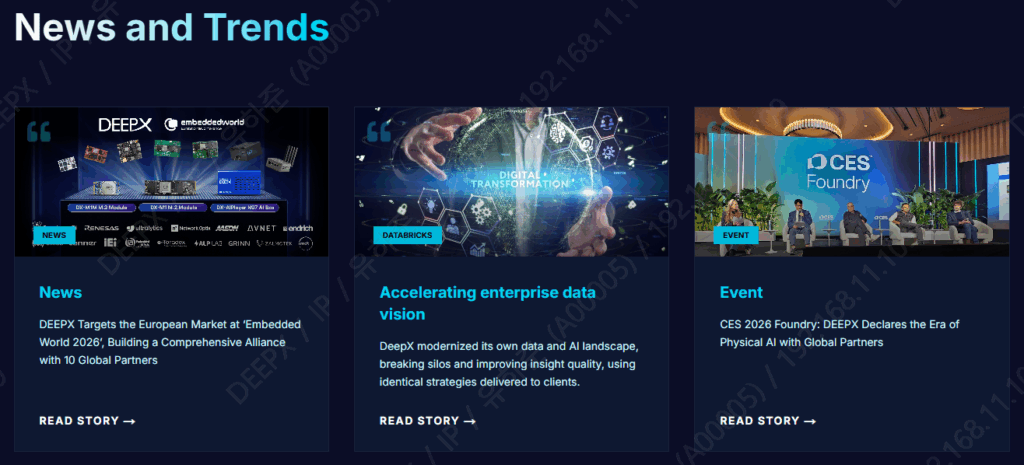
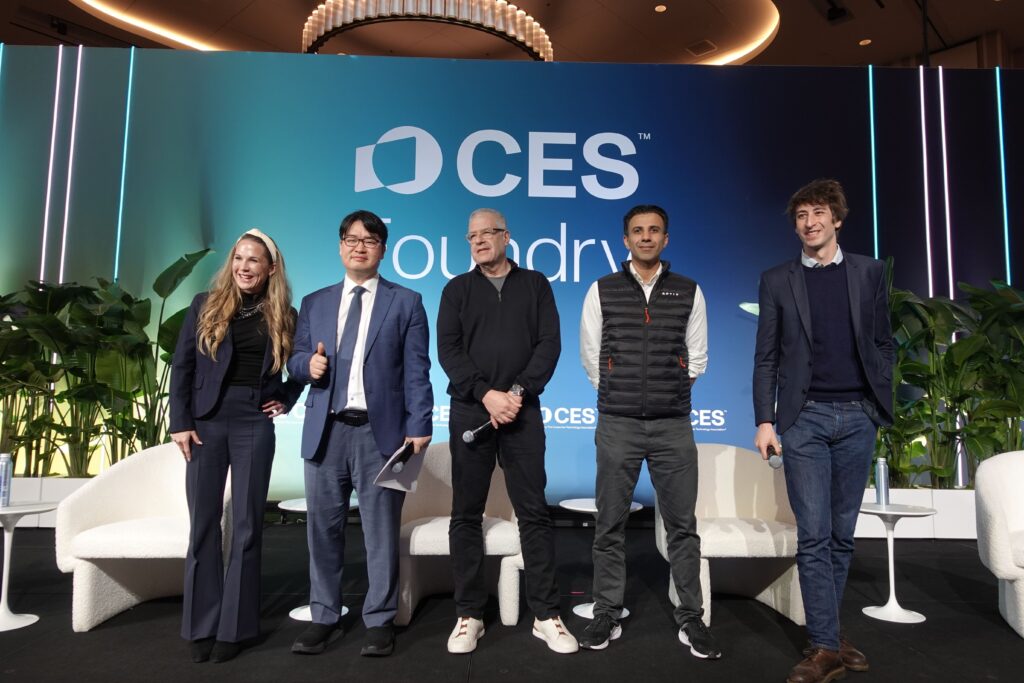
DEEPX, a pioneer in AI semiconductor technology, successfully hosted the “CES 2026 Foundry” session, an
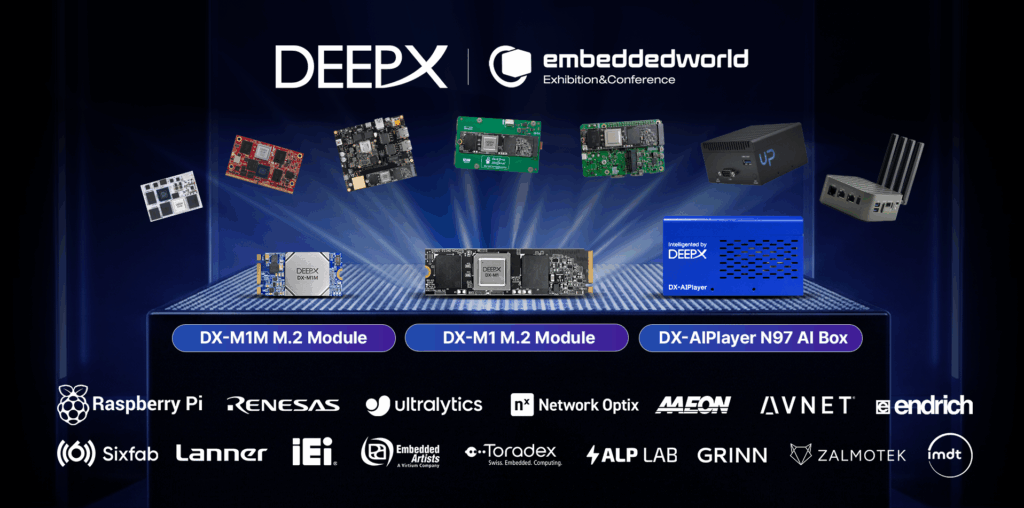
official media event organized by the Consumer Technology Association (CTA). At the event, DEEPX and its global partners unveiled scalable solutions designed to move artificial intelligence beyond data centers and establish a robust infrastructure for “Physical AI.”
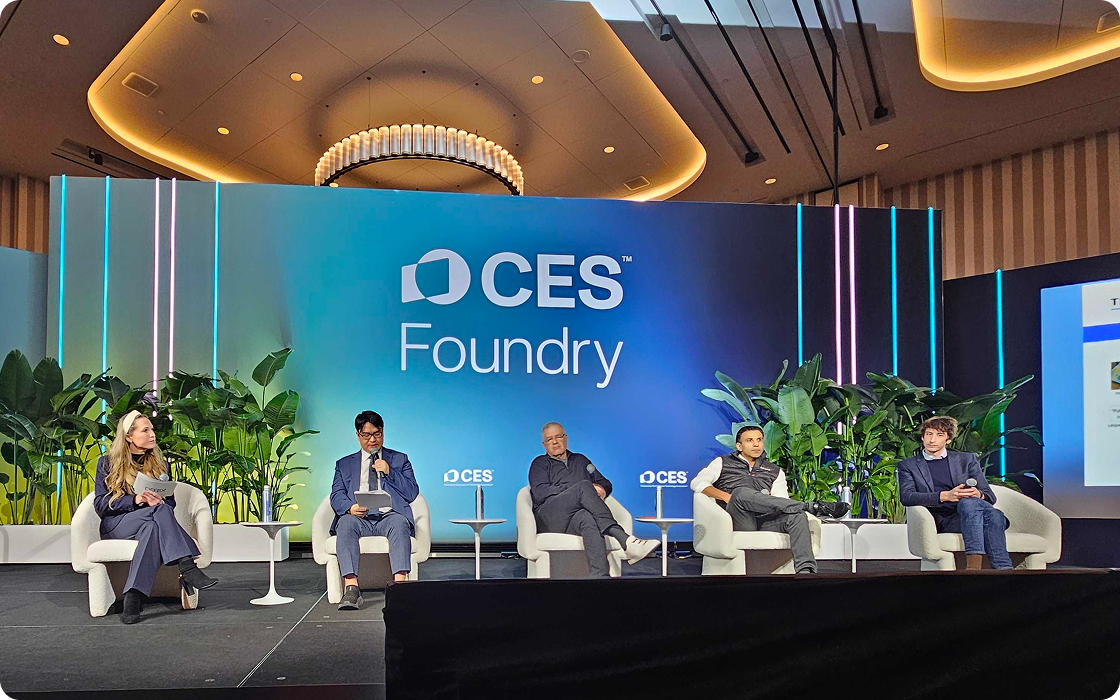
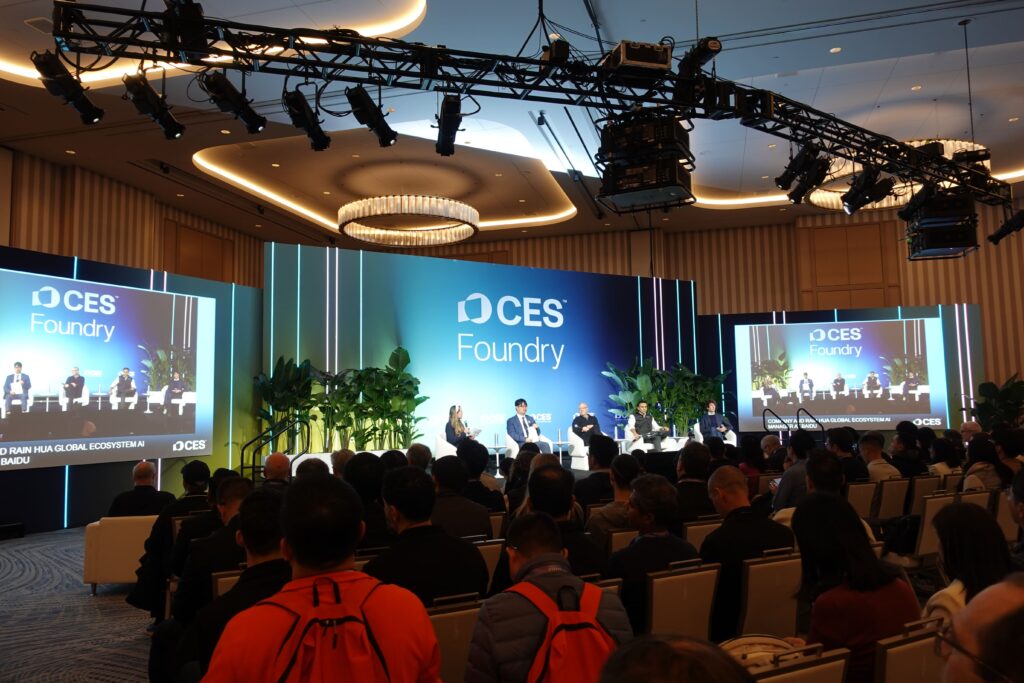
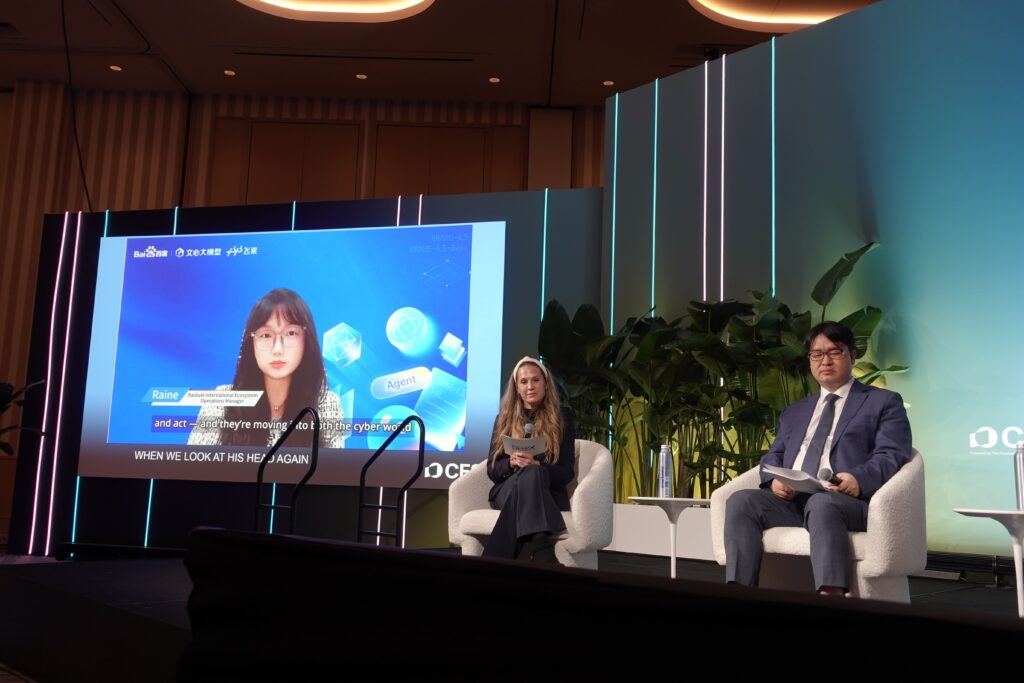
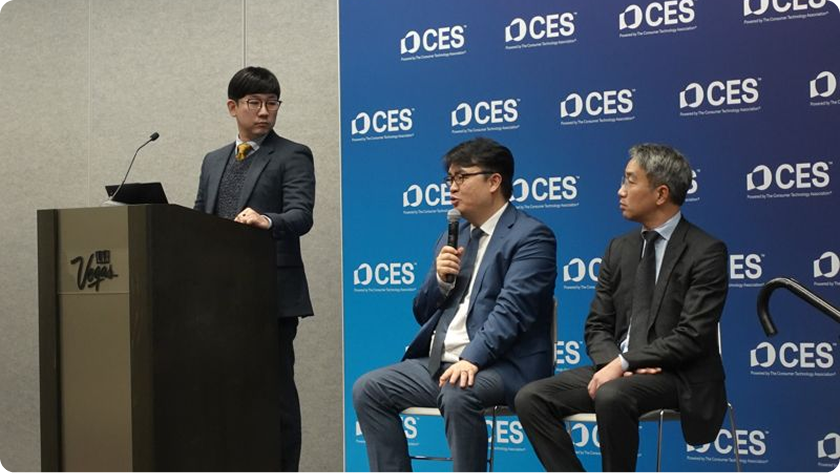
Themed “The Unstoppable Rise of Physical AI,” the panel brought together industry heavyweights actively deploying mass-production AI. Discussions centered on the practical challenges and critical requirements for operating AI reliably in real-world physical environments.
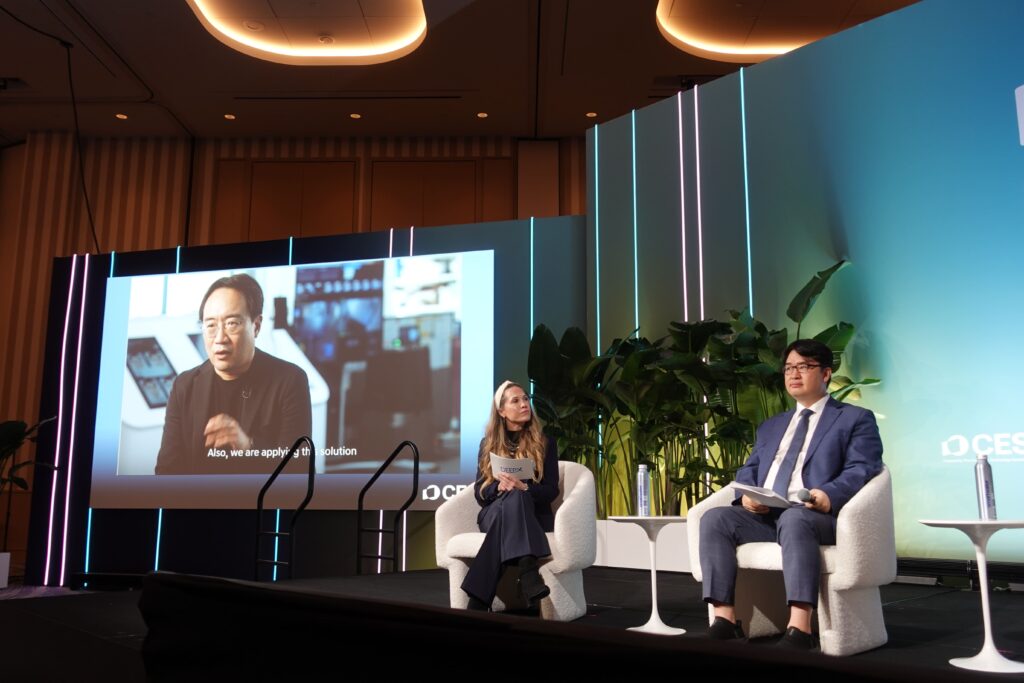
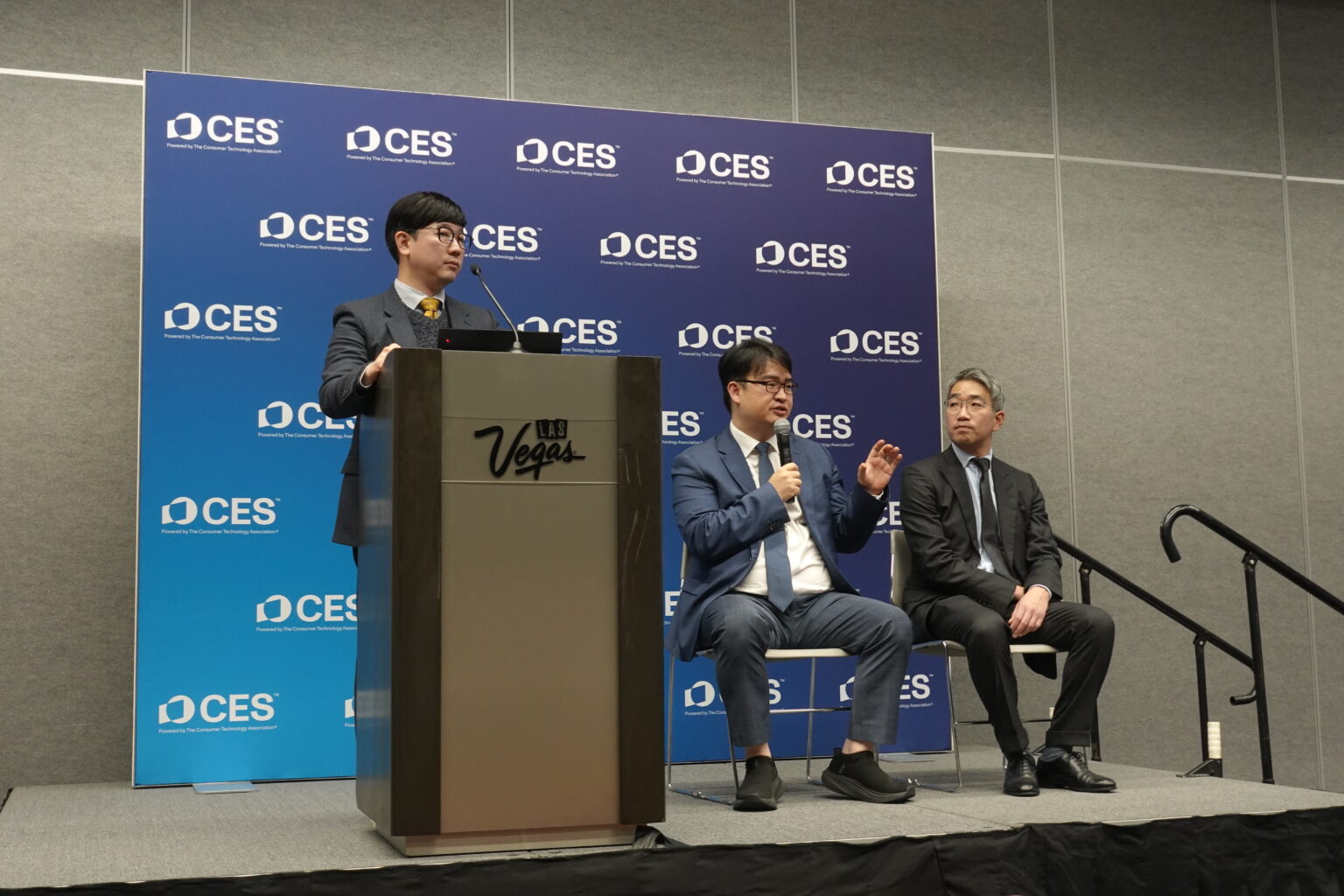
Opening the session, Lokwon Kim, Founder and CEO of DEEPX, emphasized that Physical AI is no longer a futuristic concept but an immediate reality.
“The center of gravity in AI is shifting from the cloud to the physical world,” Kim stated. “To accelerate this transition, we must achieve a seamless integration of hardware and software that can withstand real-world constraints.”
The panel featured senior executives from Hyundai Motor Group Robotics Lab, Baidu, Edge AI Foundation, Ultralytics, and Wind River, representing a diverse ecosystem spanning robotics, edge platforms, open-source frameworks, and mission-critical systems. A consensus emerged among the panelists: across robotics, smart factories, and edge IT services, the industry demands reduced reliance on data centers, ultra-low power consumption, thermal efficiency, and stable 24/7 operation.
Dongjin Hyun, Executive Director at Hyundai Motor Group Robotics Lab, remarked: “Robotics is becoming core infrastructure for both society and industry. Physical AI enables robots to make autonomous decisions on-device, even in unstable network environments. Through our collaboration with DEEPX, we have validated on-device AI capabilities in real-world conditions and plan to deploy these solutions in
our next-generation robots and security systems starting in 2026.”
Addressing the software ecosystem, Raine Hua, Global Ecosystem AI Manager at Baidu, noted: “In the era of Physical AI, success isn’t just about model performance, it’s about consistency. Models must run
reliably anywhere. Our collaboration with DEEPX offers a streamlined path to deploy models at the edge without the need for repeated redesigns.”
Pete Bernard, CEO of Edge AI Foundation, highlighted the structural limitations of current architectures:
“Data-center-centric AI faces clear constraints regarding cost, power, and latency. DEEPX is establishing Physical AI as a foundational infrastructure by combining tangible performance with robust ecosystem development.” The discussion also tackled barriers to large-scale deployment, such as fragmented toolchains and the re-optimization burden during model porting.
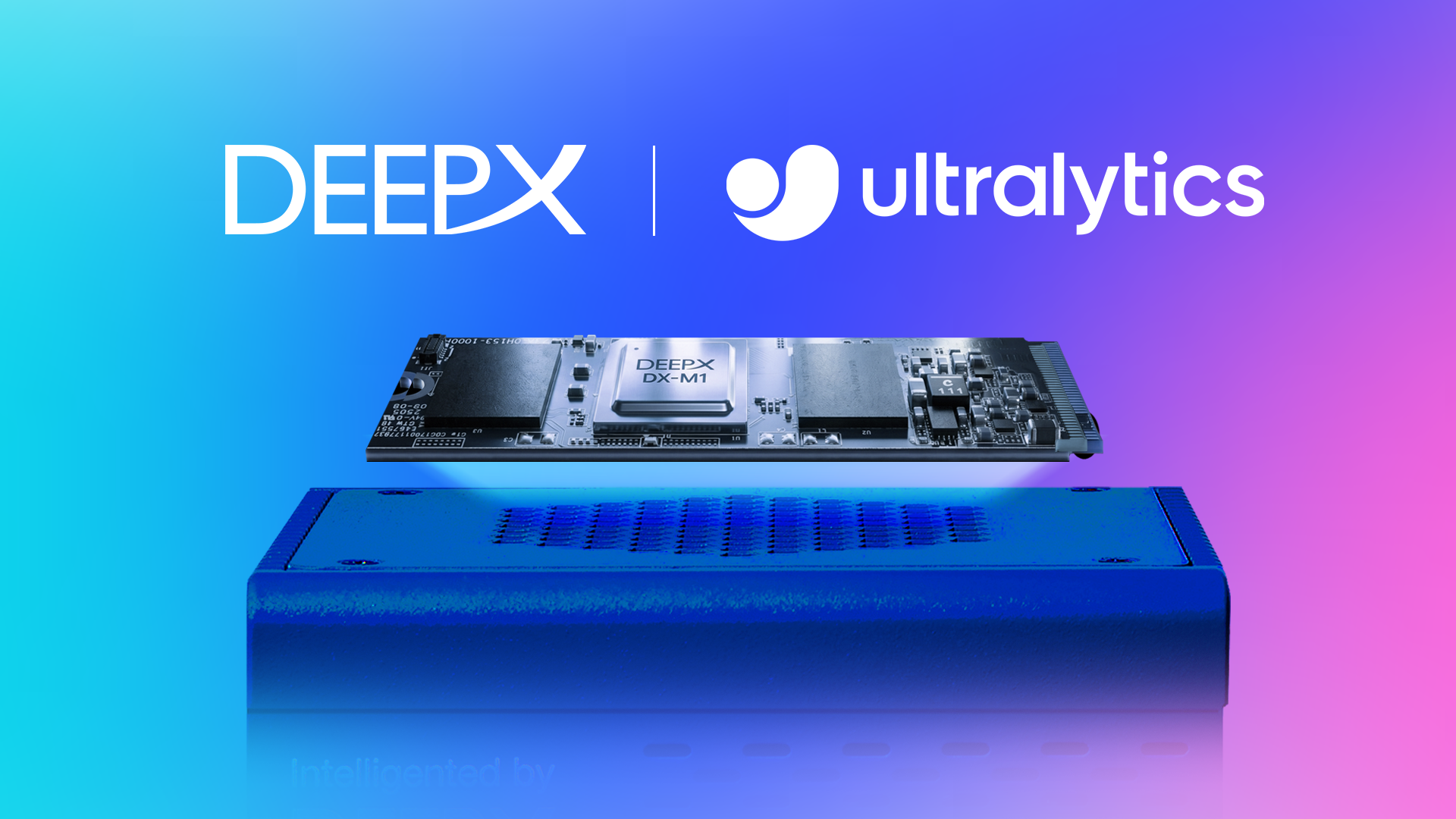
Francesco Mattioli, Lead Partner Engineer at Ultralytics, commented: “Developers can build models
quickly, but deployment remains the bottleneck. Our partnership with DEEPX simplifies the journey from training to deployment, delivering real-world performance without requiring developers to become hardware experts.”
Sandeep Modhvadia, CPO at Wind River, offered a perspective on mission-critical systems: “For AI to serve as infrastructure in defense, aerospace, and industrial sectors, security, predictability, and long-term stability are non-negotiable. DEEPX’s solutions enable trusted systems that operate reliably in the field.”
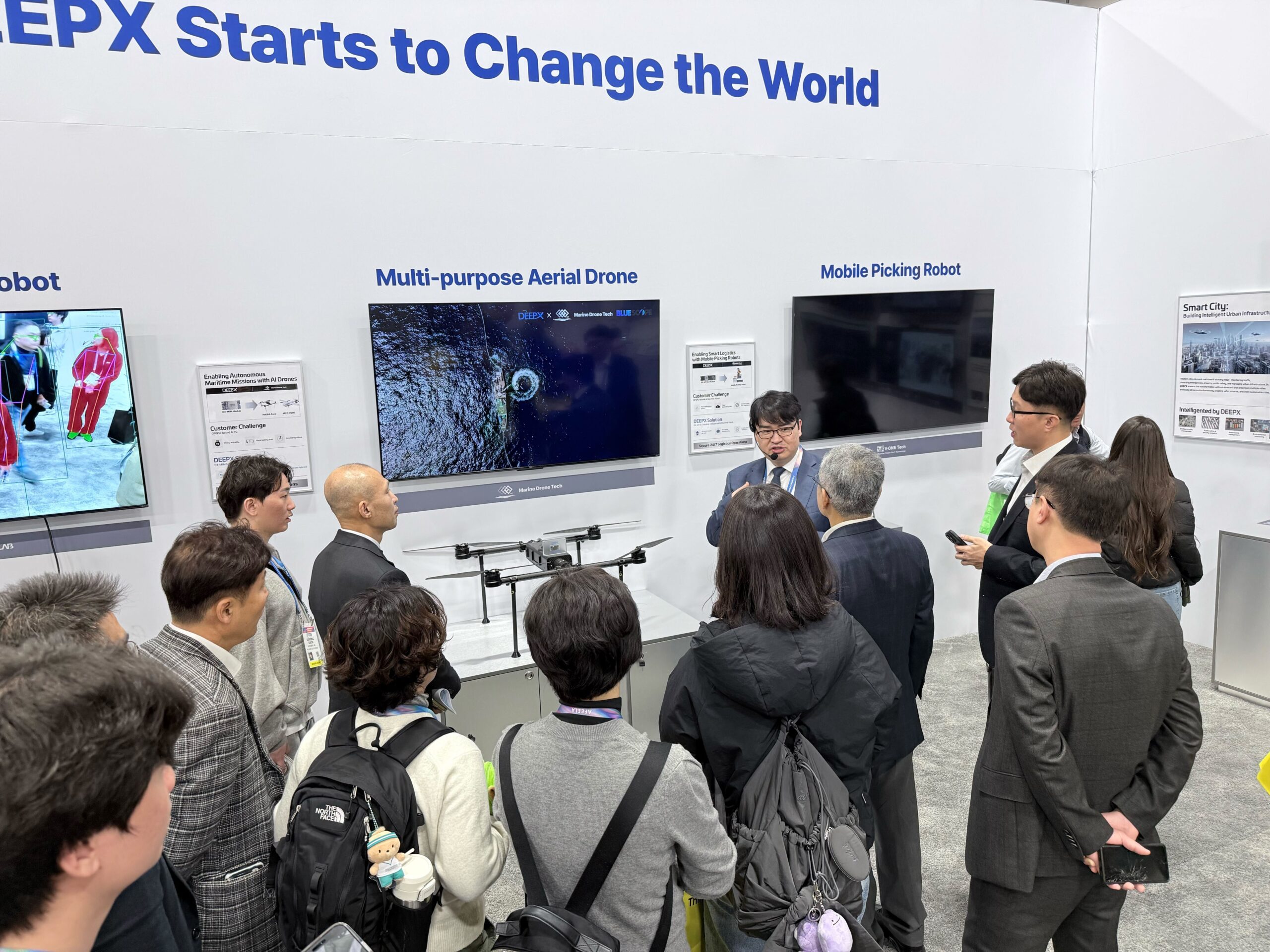
During the event, DEEPX also introduced its initiative to build an open-source-based Physical AI alliance, stressing that the widespread adoption of Physical AI depends on delivering “plug-and-play” environments through collaborative ecosystems.
Through the CES 2026 Foundry, DEEPX cemented its position as a key provider of Physical AI infrastructure, combining ultra-low-power, high-performance silicon with a thriving global partnership network.